Staging Strategies That Sell In Broken Arrow
May 7, 2026
May 7, 2026
If your home looks good in person but falls flat online, staging may be the missing piece. In Broken Arrow, where listings still need to stand out and buyers often compare many options before booking a showing, presentation matters. The good news is that you do not need a full remodel to make a strong impression. With the right staging strategy, you can highlight space, function, and move-in readiness where buyers notice it most. Let’s dive in.
Broken Arrow is Oklahoma’s fourth largest city, with about 120,000 residents spread across 60 square miles. The city also saw strong growth from 2010 to 2020, and local housing is predominantly single-family. Add a 72.0% owner-occupied rate and a median owner-occupied home value of $250,400, and you get a market where buyers often expect practical, well-presented homes.
That matters because staging helps buyers picture how a home will live day to day. In the National Association of Realtors 2025 Profile of Home Staging, 83% of buyers’ agents said staging made it easier for buyers to visualize a property as their future home. In a market like Broken Arrow, that can be especially helpful when buyers are comparing layout, storage, and overall condition.
Recent market snapshots also show why first impressions count. Redfin reported a median sale price of $304,000 and 53 median days on market in March 2026, while Realtor.com reported 721 homes for sale, a median list price of $349,500, and 45 median days on market. When buyers have options, staging can help your home feel more memorable.
If you are deciding where to spend time and money, start with the spaces buyers care about most. According to NAR, buyers’ agents ranked the living room as the most important room to stage, followed by the primary bedroom and kitchen. Those are also the areas that tend to show up most clearly in listing photos and video.
That does not mean every room needs a full design treatment. In fact, a targeted plan often makes more sense than trying to stage the entire house. For many Broken Arrow sellers, the smartest path is to polish the spaces that shape the first impression and support how buyers evaluate value.
Secondary bedrooms, office space, and outdoor areas still matter, but they usually need a lighter touch unless they solve a clear need in the layout.
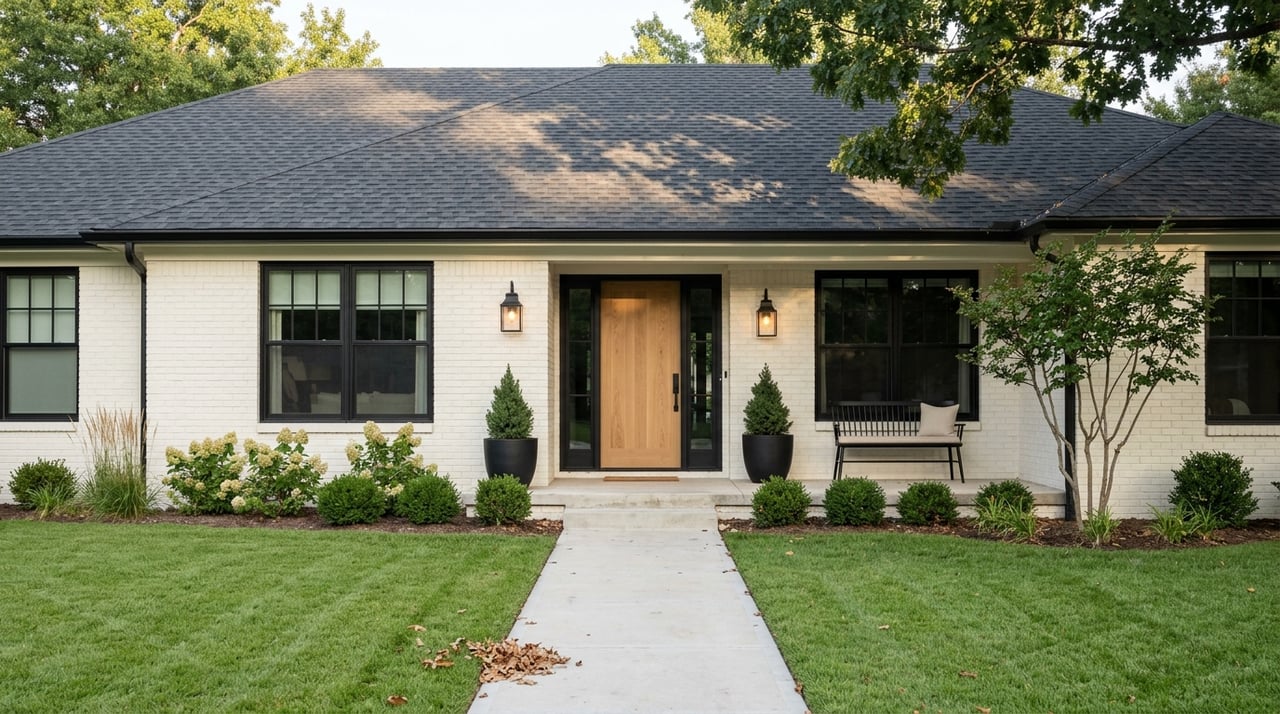
Before buyers ever step inside, they begin forming an opinion from the street. In Broken Arrow’s mostly suburban, single-family housing landscape, the front exterior often becomes the listing’s visual introduction. A clean, cared-for exterior can make your home feel more inviting right away.
NAR seller guidance recommends simple exterior improvements like trimming shrubs, edging the lawn, moving tools and toys out of sight, cleaning windows, and refreshing lighting. A new doormat, updated house numbers, and a tidy porch can also improve the look without a large budget. If needed, pressure washing the driveway or garage floor can sharpen the overall impression.
The living room usually deserves the biggest share of staging attention. NAR found that it was the most commonly staged room in seller listings at 91%, and buyers’ agents rated it the top room in importance. That makes sense because this space often sets the tone for the whole home.
Your goal is not to decorate for a magazine. Your goal is to help buyers understand the room’s size, traffic flow, and function. Remove excess furniture, simplify accessories, and arrange seating so the room feels easy to walk through and easy to photograph.
If the space feels tight, bulky furniture is often the problem. In many cases, taking pieces out works better than trying to add more. A room that feels lighter and better scaled usually reads as larger both online and in person.
Kitchens are one of the most important make-or-break spaces for buyers, and 68% of sellers stage them. The strongest staging moves here are practical, not flashy. Deep clean every surface, clear the counters, and fix small details that make the room feel worn.
If hardware, faucets, or the sink feel tired, a modest refresh may go further than a major update. Buyers tend to notice cleanliness, light, and visual order before they notice every finish choice. For the dining area, keep the table mostly clear so buyers can quickly read the space as a place to gather.
Because photos and videos are such a big part of the listing process, the kitchen and dining area should be camera-ready before marketing begins. NAR found that buyers’ agents viewed photos as more or much more important in 73% of cases, followed by physical staging at 57%, videos at 48%, and virtual tours at 43%.
The primary bedroom is the second-highest staging priority for buyers and appears staged in 83% of homes. Buyers want to understand how the room fits a bed, side tables, and everyday living. A clean, restful setup helps them focus on the room itself rather than your personal style.
Start with a neatly made bed and reduced decor. Keep surfaces mostly clear and remove anything too personal or distracting. Closets matter too. NAR specifically notes that closets should not be so full that buyers struggle to imagine their own belongings fitting inside.
This is one area where restraint pays off. You do not need a lot of accessories. You need the room to feel comfortable, simple, and spacious.
Not every bedroom needs full staging. NAR reports that guest rooms and children’s bedrooms are the least commonly staged spaces, at 22% each. In most cases, a clean and neutral setup is enough.
What matters more is clear purpose. If you have a room that could serve as an office or flex space, consider setting it up for one obvious use. That can help buyers understand the layout faster, especially since office space is staged in 36% of homes.
Bathrooms are staged in 47% of homes, and the standard is simple: bright, spotless, and nearly empty. Clear counters, freshen mirrors, clean grout lines, and put away everyday products. Buyers tend to read a clean bathroom as a sign the home has been cared for.
Outdoor spaces can also help, even with a modest effort. NAR found that 31% of listings stage outdoor and yard spaces. In Broken Arrow, a swept porch, tidy patio, or cleaned seating area can add a polished finishing touch without much cost.
One of the biggest myths about staging is that it has to be expensive. NAR reports a median cost of $1,500 for a staging service and $500 when a seller’s agent personally staged the home. That is often far less than a full renovation, and it supports a more selective strategy.
The same report also shows staging is not a guarantee of a higher offer in every case. Forty-one percent of buyers’ agents said staging had no impact on the dollar value offered. Still, 19% of sellers’ agents reported a 1% to 5% increase in offered value, and 30% reported a slight decrease in time on market.
That is why the best approach is usually targeted, not all-or-nothing. If your budget is limited, start with decluttering, cleaning, curb appeal, and repairs. Then put the remaining effort into the entry, living room, kitchen, dining area, and primary bedroom.
Because Broken Arrow has a large single-family housing stock and a significant share of households with children under 18, buyers may respond well to homes that feel functional, open, and easy to live in. That does not mean styling your home for a specific household type. It means making sure each room clearly shows its purpose and usable space.
In practical terms, that usually means fewer pieces of furniture, cleaner surfaces, better lighting, and organized storage. It also means helping buyers understand the value of the layout right away. When your home feels move-in ready and easy to read, buyers can spend less mental energy decoding the space and more energy imagining themselves there.
Michelle Nall’s background in interior design and real estate makes this kind of decision-making especially valuable for sellers in Broken Arrow. Instead of guessing what to update or stage, you can focus on the changes that support presentation, photography, and buyer perception without over-improving.
If you are getting ready to sell in Broken Arrow, thoughtful staging can help your home look more polished, feel more spacious, and compete more effectively. For tailored guidance on what to edit, what to keep, and where to spend wisely, connect with Michelle Nall.
Stay up to date on the latest real estate trends.
I offer the highest level of expertise, service, and integrity. Get in contact with me to get started today!